Your Blueprint for Building Multi-Channel Music Revenue Streams Part 1
How can artists maximize revenue by balancing digital streaming with live shows, merchandise, and physical music sales?
In a world where the digital is steadily merging with the physical, disrupting the norm, and reshaping life as we know it. It’s easy to assume that the virtual space is the only future. Although it dominates most of our daily lives, from commerce and entertainment to health, education, and business, there is still a thriving physical world that offers substance and tangible value.
Take music distribution, for example. Ever since the early 2000s, when the industry began its steady migration to digital distribution, streaming platforms have become forces to be reckoned with in music revenue. Yet, streaming revenue in itself does not paint the full picture. Beyond the numbers, there are still multiple channels for sustaining an artist or business’s success.
Same Game, New Rules
There’s a symbiotic relationship between digital and physical, not as substitutes for each other, but as complements. Make no mistake, in 2025, diversification is no longer optional; it is essential. If you are not already expanding your revenue streams, now is the time. This guide explores how to build sustainable income streams across multiple platforms.
Understanding the Music Royalty Economy
Technology has greatly impacted how music is consumed and monetized, with streaming making up more than 60% of global music revenue in 2024. Yet the system is not without its flaws, from payout models that favor top-tier artists to inconsistent transparency in how royalties are calculated.
This has prompted artists, labels, and stakeholders to explore additional monetization avenues. Traditional methods are re-emerging alongside digital ones: copyright licensing, live shows, merchandise, social media-driven fan engagement, and direct sales of compositions. All these strategies form part of a broader revenue mix.
Streaming has not erased physical tokens of music like vinyl and CDs, and it surely has not diminished the appeal of live performances or fan merchandise (wanting to own items with the likeness of your favorite act on them). Smart artists are tapping into the tried and true and making a killing. Cardi B’s collaboration with Walmart on her album Am I The Drama is a prime example, breaking the record for most deliveries by UAV (Unmanned Aerial Vehicle) with 176 CDs delivered in 60 minutes. Similarly, the Did Somebody Say HipHopera campaign featuring Latto and Christina Aguilera shows how brands continue to leverage celebrity influence, and that brand partnerships as a revenue stream will never be just a passing trend.
How To Create a Sustainable Multi-Channel Revenue Plan
Reclaiming Tangible Experiences
Live Performance And Touring
The stage lights are turned up more than ever, with audiences hungry for live experiences reminiscent of the ‘90s. The numbers back this up: live performances are where the money is, not only generating massive income but also serving as promotional tools. In 2023, global live music revenue surged by 25%, exceeding $33 billion. For many artists, touring has become their main source of income, fueled by soaring ticket prices.
The financial opportunities in this sector are undeniable, although we must add that tours are expensive. Their profitability often depends on careful planning, significant financial investment, and strong fan engagement. Still, when done right, touring remains one of the most lucrative opportunities in music.
Merchandise And Physical Sales
Vinyl and CDs are making a comeback. We are back to the era of album signings, “meet and greets”, and exclusive merch drops, once again reconnecting artists with fans on a personal level. And it’s paying off. In 2023, vinyl outsold CDs in the U.S. for the second consecutive year, generating $1.4 billion and making up 71% of all physical sales.
Merchandise sales, especially exclusive or limited-edition items at shows, are all strategies that turn simple purchases into cherished mementos. An example is Cardi B’s integration of her Whipshots brand into the rollout of Am I The Drama?, which illustrates how products can double as both fan engagement tools and revenue streams.
The aim of reclaiming tangible experiences is simple: generate buzz, monetize fan Hype, and create a Lifestyle that fans can consistently connect with.
About the author
Keep reading
All posts →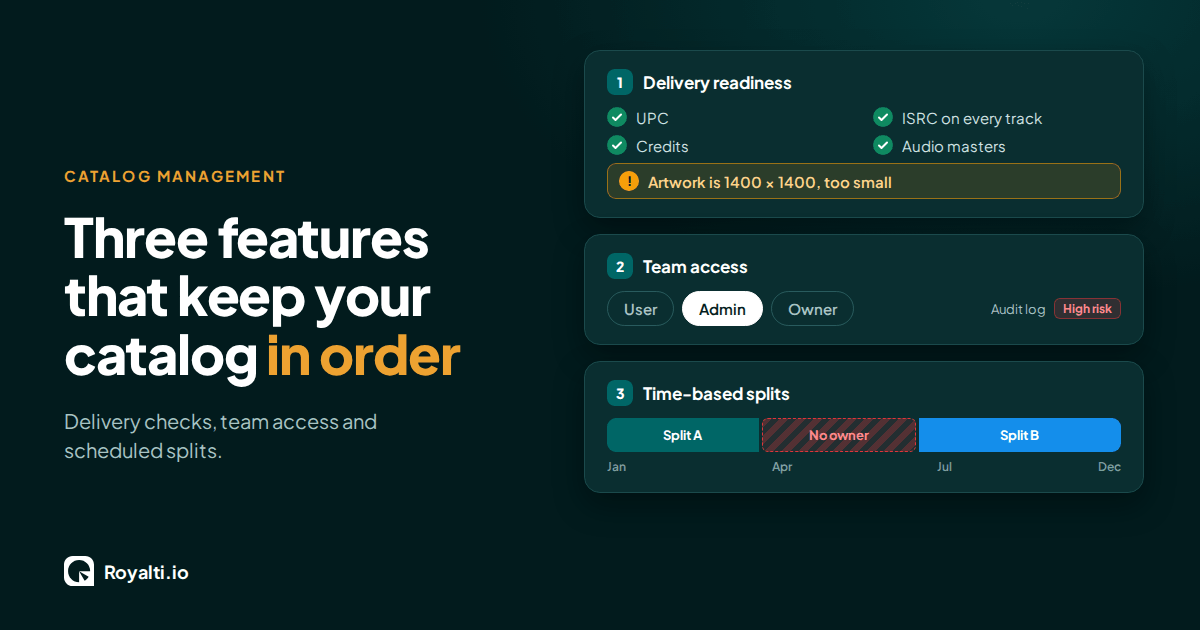
Royalti.io: Three Features That Keep Your Catalog in Order
Delivery checks that stop bad releases, team access you can trust, and splits that change on schedule. Here is how each one works in Royalti.io
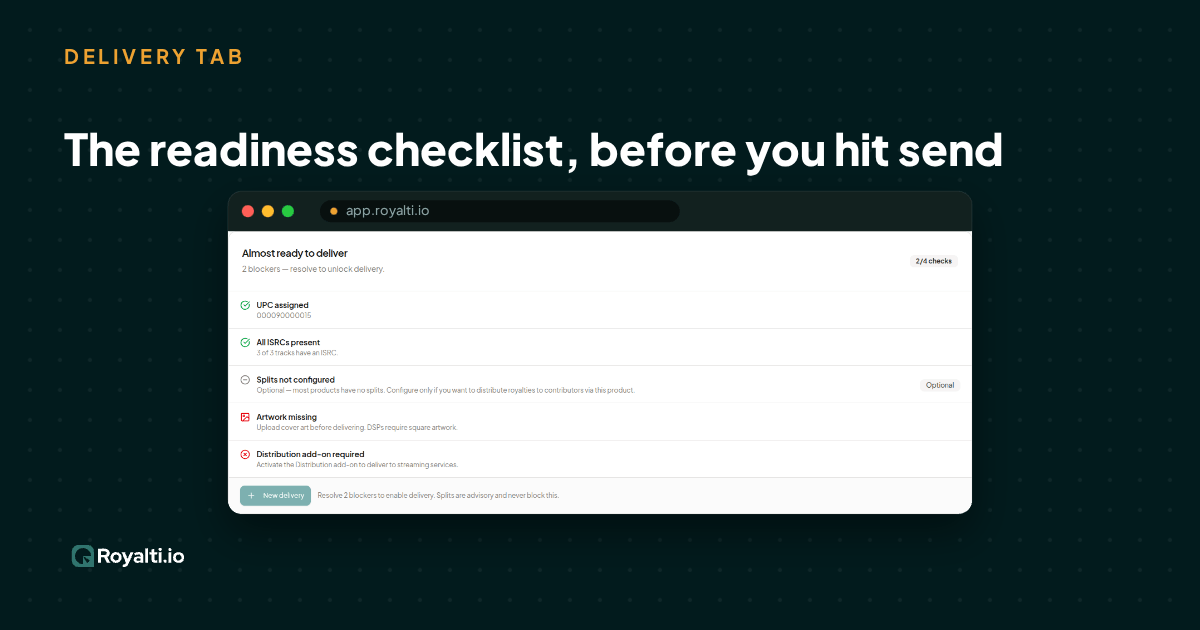
Royalti.io: How We Rebuilt DDEX Delivery
A release can fail on its way to stores without anyone noticing. Here is what broke in our DDEX delivery, how we fixed it, and what you can check first.
AI and Creator Consent 1: What Creator Groups Want From AI Music Deals
Learn why creator groups are demanding consent, fair compensation and transparency from AI music deals
Comments
No comments yet. Be the first to comment!