The Economics of Microgenres: Finding Profitability in Niche Music Communities
Microgenres are reshaping the music economy, as niche communities and superfans drive profitability beyond streaming numbers.
Two things happen when one is confronted by an array of choices.
If you are like me, you will probably be completely confused, having no idea what to pick and eventually becoming so averse to the experience that you shut down altogether. Safe to say, you won’t be having the time of your life. Meanwhile, some people go in guns blazing, with a clear idea of what they want and the ability to curate a worthwhile experience out of all that chaos.
In the vast array of streaming libraries accessible to listeners today, playlists serve not just as tools for organization but as niche categories that reflect specific listener habits and preferences. The chosen few in the midst of plenty.
Think of it as a shelf, where you place all of your favorite things; it doesn’t matter what’s going on around you, those are your staples, “your precious”.
The Profit in the Particular
What if I told you that there is an entire market in music built on the idea that, despite what the options are or what is trending, some listeners will always stick to what they love? Increasingly, that has come to include hyper-specific niches in music. These are microgenres, born from experimentation, curiosity, and personal taste.
Music, once neatly divided into broad genres, is in an era where it is further splintering into smaller sub-categories. These microgeners are proving that sustainability in music doesn’t always depend on mass appeal. Artists in these spaces often find profitability not in streaming volume but in direct fan support, through merch sales, ticketed experiences, and subscriptions.
The Economics of Microgenres
Even when the streaming formula seems not to be in their favor, microgenre artists are finding alternative routes to growth. Instead of chasing high play counts, they focus on fan-powered engagement, building communities that generate consistent revenue.
The Power of The Super-Fan
The task is simple: convert passive listeners into active investors. The success of niche music depends on this delicate merge of loyalty and participation. Crowdfunding and microfunding, where fans pay for early access, exclusive content, or behind-the-scenes material, are how many indie artists sustain themselves. Microgenres also rely on social media platforms to play a vital role, helping artists reach their audience faster and build dedicated online communities that translate into real financial support.
Because the profitability of a microgenre depends on how engaged its community is, it becomes imperative that artists focus on authentic, direct connections. Platforms like Patreon allow them to gather crowd support behind their work, through subscriptions, exclusive merch, and limited-edition releases.
There is also a growing focus on creating tangible experiences, listening parties, and livestreams that deepen emotional investment and give supporters a sense of ownership in the artist’s journey.
The Take Away?
If they like it, they will support it. We see that the very principle that has kept music alive through centuries is now what sustains the microgenre ecosystem.
Proof that a small but passionate audience willing to invest directly in an artist is far more valuable than a vast, passive one generating minimal per-stream royalties. Profitability in the niche lies in intimacy and exclusivity, where the fans, not the algorithms, dictate the tune.
About the author
Keep reading
All posts →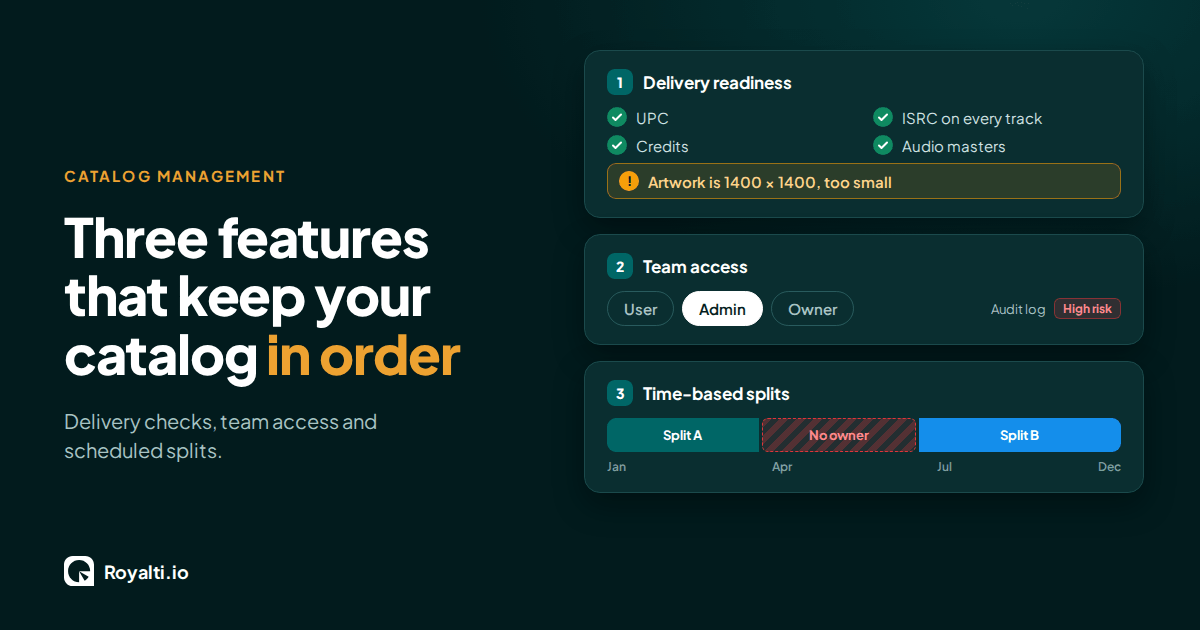
Royalti.io: Three Features That Keep Your Catalog in Order
Delivery checks that stop bad releases, team access you can trust, and splits that change on schedule. Here is how each one works in Royalti.io
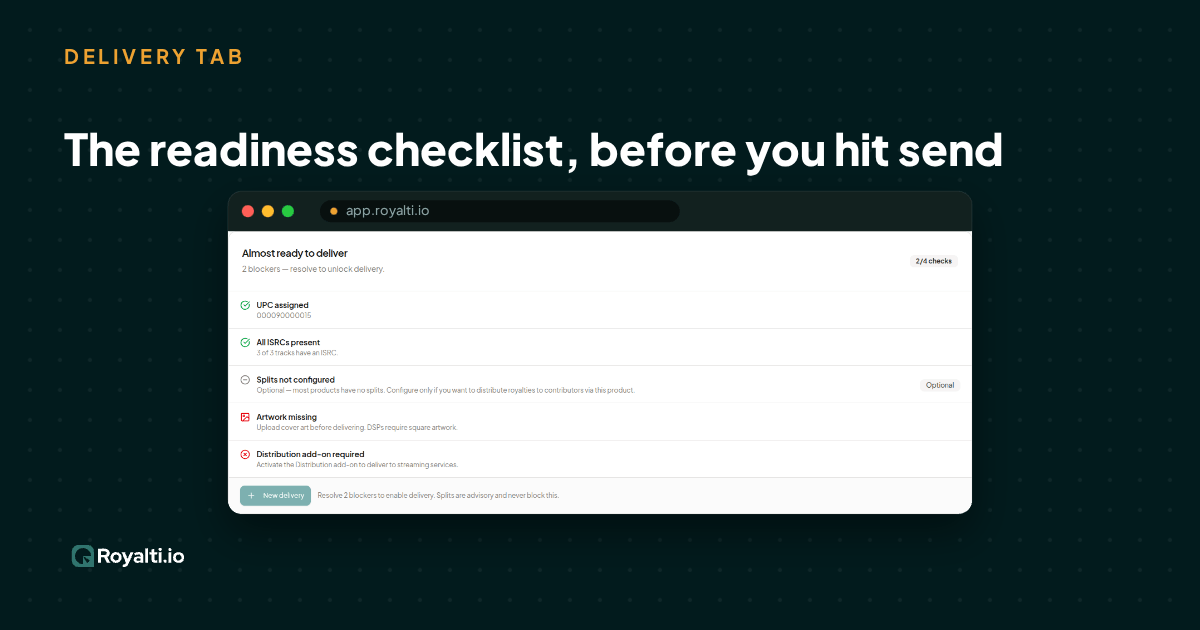
Royalti.io: How We Rebuilt DDEX Delivery
A release can fail on its way to stores without anyone noticing. Here is what broke in our DDEX delivery, how we fixed it, and what you can check first.
AI and Creator Consent 1: What Creator Groups Want From AI Music Deals
Learn why creator groups are demanding consent, fair compensation and transparency from AI music deals
Comments
No comments yet. Be the first to comment!