Did Streaming Kill Music Tv? The True Cost of MTV Music Channels Shutting Down
As MTV’s music channels go dark, we explore how streaming changed everything, from music discovery to the end of the age of Music TV.
I remember a time when Trace Music and MTV Base were the go-to channels for discovering the latest hits and music videos. From the ‘90s through the 2000s and into the 2010s, the affordability of cable TV made it a staple in most middle-class Nigerian homes. Music channels quickly became an essential part of youth culture, part of the daily routine for teenagers and young adults. The music, the reality shows (we had no business watching), and the game shows occupied our free time between school and extracurricular activities. These music channels gave us something to look forward to.
Sadly, that era is fast coming to an end. The recent decision by Paramount Global to shut down five of its iconic dedicated music channels, including the beloved MTV Music of the 2000s, signals the end of scheduled music television. In its place stands an on-demand, personalized world of streaming and social media.
Did digital music distribution really make music channels obsolete? Or are linear music channels simply no longer financially viable in the age of streaming?
All that Fuss For Five Channels Going Dark
By December 31, 2025, five of the most recognizable music channels will cease broadcasting across the United Kingdom, Ireland, continental Europe, and other major international markets.
These channels include:
- MTV Music
- MTV 80s
- MTV 90s
- Club MTV
- MTV Live
For Gen X and millennials, these are not just music channels. They were sacred spaces for every genre, from dance beats to nostalgic throwback hits. Their collective closure marks the symbolic end of an era.
The Culprit: A shift in Audience Preferences
If there’s one thing audiences have gained complete control over, it is what they consume and when. In contrast to the carefully curated but scheduled feed of traditional music channels, digital streaming offers instant on-demand access with limitless choices. Thus, the introduction of the concept of personalized entertainment, where the viewer, not the broadcaster, decides what they wish to be entertained by.
We’ve lost the sense of anticipation, waiting to catch the music video of a song you had only heard on the radio, hoping the TV channel would play it next. With platforms like YouTube and Spotify, you no longer have to wait. New releases are instant, every song, video, and performance right at your fingertips.
Remember dropping everything to catch a specific playlist because you were emotionally invested? That has been replaced by personalized playlists and recommendation algorithms that seem to know you better than you know yourself. When you want something new, the options are endless, curated by data.
Social Media + The Algorithm = The New Profit Driver
Music television once ruled as the ultimate global influencer, launching artists into stardom and driving album sales. Today, that power has shifted to algorithms on social platforms like TikTok.
These platforms have become the virtual playgrounds for younger audiences, and it makes sense that they are the perfect arena for music discovery. And thus emerged the phenomenon of social media virality, where a short clip can break a song globally, rivaling and even surpassing hours of television exposure.
The Economic Reality
The drastic move to digital platforms made traditional music television increasingly irrelevant. And since television is, above all, a business, declining viewership and rising operational costs made restructuring inevitable. The shutdown of these channels was the most logical, if painful, outcome. Maintaining a linear channel had simply become too expensive to justify.
So what is the way forward? Companies like Paramount Global are looking to the future by prioritizing their streaming service, Paramount+, while MTV’s surviving channel shifts to unscripted reality programming. With these new changes, MTV has evolved into a reality and lifestyle network.
Conclusion
The loss of music channels, an undeniable cultural landmark for two generations, highlights the trade-off between nostalgia and convenience. Streaming offers personalization and accessibility, but at the cost of shared cultural moments that television once created. Whether or not this is a fair trade depends on who you ask.
The truth is, traditional music television didn’t disappear overnight; it slowly faded away, overtaken by technology and changing habits. If it’s any consolation, at least we still have the reality shows, though they are a far cry from the 24-hour music video channels we once knew. As December 31, 2025, draws closer, the end of these music channels reminds us that change, however uncomfortable, remains inevitable and necessary.
About the author
Keep reading
All posts →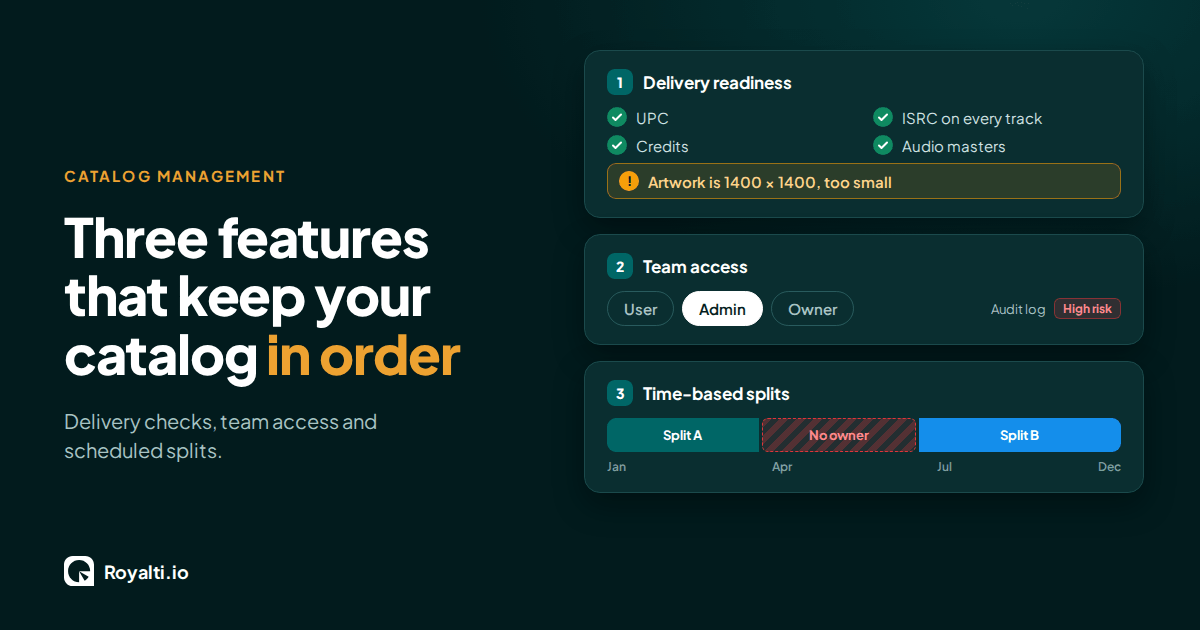
Royalti.io: Three Features That Keep Your Catalog in Order
Delivery checks that stop bad releases, team access you can trust, and splits that change on schedule. Here is how each one works in Royalti.io
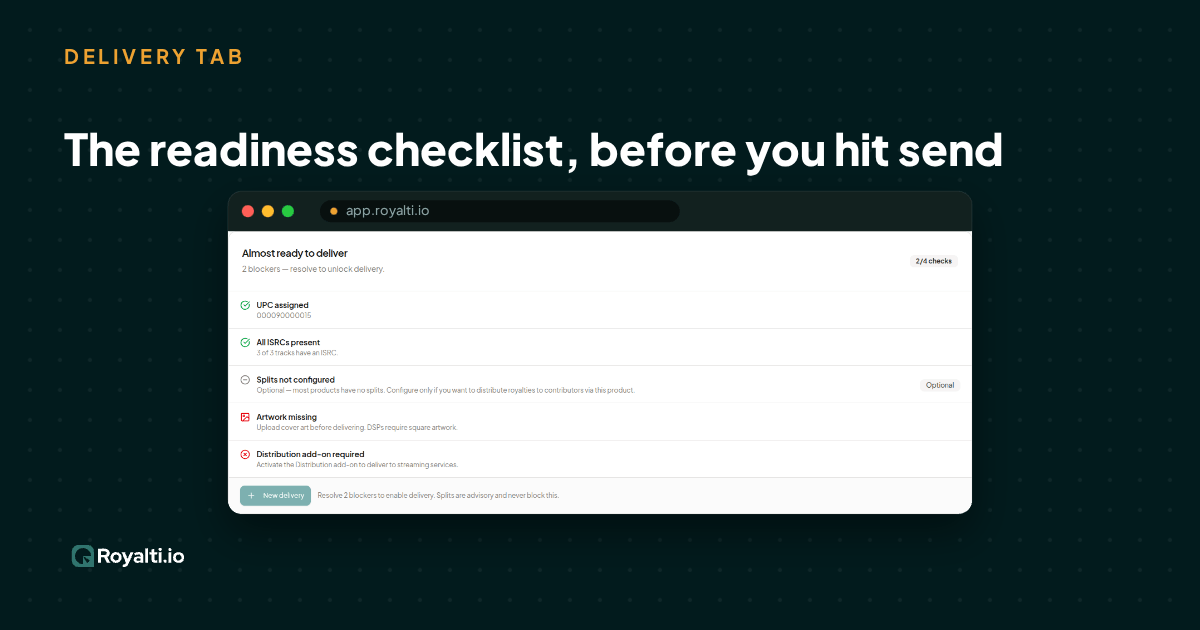
Royalti.io: How We Rebuilt DDEX Delivery
A release can fail on its way to stores without anyone noticing. Here is what broke in our DDEX delivery, how we fixed it, and what you can check first.
AI and Creator Consent 1: What Creator Groups Want From AI Music Deals
Learn why creator groups are demanding consent, fair compensation and transparency from AI music deals
Comments
No comments yet. Be the first to comment!