The Geography of Sound: Why Music Sounds Different in Every City
We explore how place shapes music, why every city has its own sound, and why that matters for every artist
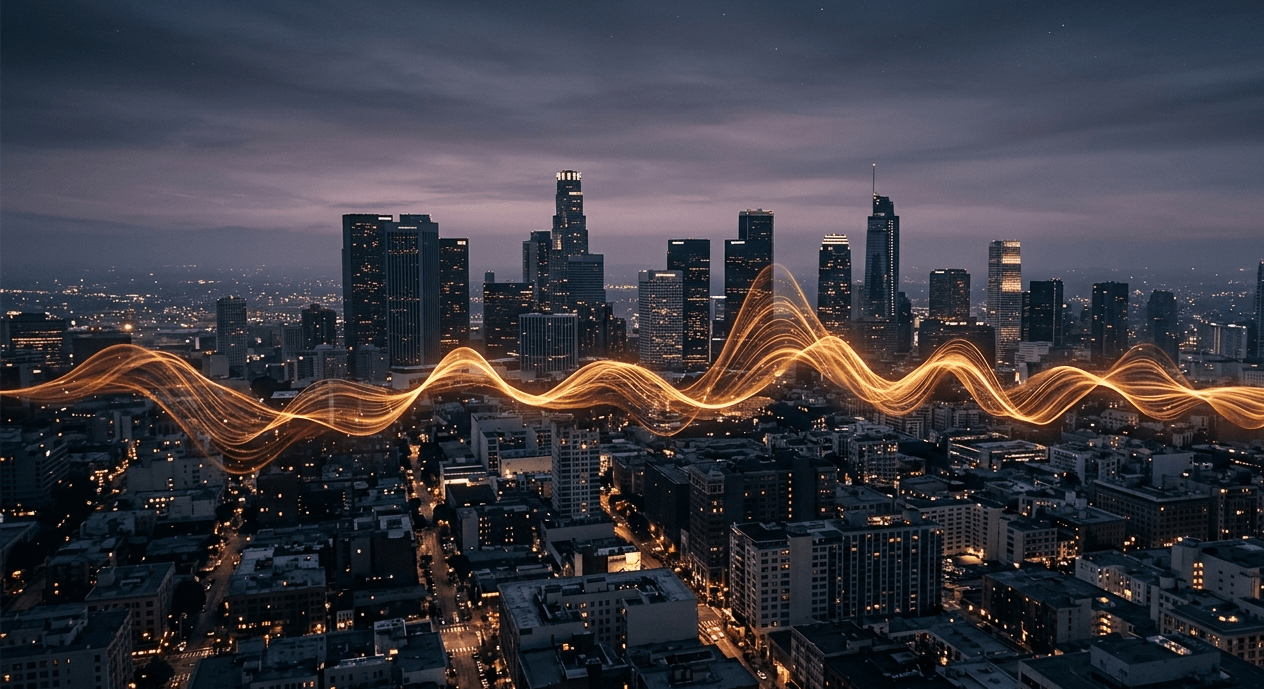
Ever wondered why cities sound different? The shops, the bars, the house parties? Ever wondered what truly flavours the sound of a place? If you play the same chord progression with three different influences, say New Orleans, South Korea, and South Africa, you will end up with three different songs. Call it a vibe or a twist, but you cannot deny that when you hear jazz, a certain place comes to mind. So just how does a place gain a sound? Who writes the rules?
A Living Chronicle
Music is honest, and it will keep a record. A record of the everyday lives of the people it witnessed. The musical instruments they made from the resources available to them, their joy, pain, and stories. Music, formed in particular conditions, shaped by chaos or economics, and woven into the very fabric of culture and tradition, will hold on to its roots even when those conditions no longer apply, even as it evolves.
Take the Oja (flute) of the Igbo people of South-eastern Nigeria, as an example. Ask any Igbo person, and they will tell you the Oja is more than just a musical instrument. From reverence to invocation to encoded communication, its use was embedded into the everyday lives of the people and still is even today. That sound has found its way into modern music, with highlife, Contemporary Gospel Music, afrobeats, and rap all incorporating its tune, while maintaining a DNA that unmistakably hints at its origin. The same can be said of the Yoruba Talking drum or the Kakaki of Northern Nigeria. The geography of music reveals that a physical place, social conditions, and cultural history combine to produce distinct regional sounds. A heartbeat.
This is Not Coincidence.
So what happens when cultures meet and interact in a place where multiple traditions are forced into proximity? Well, music will adapt. New Orleans had French, Spanish, African, and Caribbean cultures colliding for two centuries, and it produced jazz.
It also seems that wherever complex cultural history mixes, the perfect bonding agent is economic pressure. Kingston had a Jamaican folk tradition meeting American R&B. Add the social pressures of the tenement yards, and rocksteady and reggae were born. The Delta blues tradition meeting the Black church, mixed with the economic desperation of the postwar South, saw Memphis conceive soul music and rock and roll. Just the right amount of economic pressure to make music a viable escape route or entrepreneurial opportunity. Time and chance, yes. But there is also a clear intention to create beyond what is familiar, cities making music in response to the lives, hopes, and dreams they carried.
Is There a Formula to It?
Cities become genre birthplaces because of the people in them, and they maintain or evolve that sound for the same reason: people. New Orleans has multiple musical traditions and histories colliding into a rich blend that pours into every note of jazz. And Lagos of the 1970s provided the exact chaotic environment needed to amplify Fela’s afrobeat. And although clutching firmly to its West African roots, what Fela Anikulapo Kuti built was neither borrowed nor imitative. It could only have been made in Lagos, Nigeria, in that moment, under those specific conditions.
Yes, streaming has revolutionized music discovery and given regional music global audiences faster than was ever possible. Now, you can be influenced and inspired by music from halfway across the world without necessarily experiencing that environment. But streaming can never obscure the origin. Amapiano did not stop being distinctly South African because it found listeners in Lagos and London.
Don’t think so? Then, let’s play a little game. I’ll name a city, and you tell me what genre automatically comes to mind. Nashville, Tennessee. Seoul, South Korea. Lagos, Nigeria.
Genres carry the fingerprint of the rooms, streets, and social structures that built them, even after they go global. An inheritance that is passed from one artist to the next. And it is worth recognising as an artist, because your sound did not come from nowhere. It came from a root tapped into, even unconsciously, an environment that has poured into you, a scene shaped by who could afford to be in it and what they needed to say. That recognition helps you understand just what you are protecting when you register, distribute, and get paid for your work.
Sources: Afropop Worldwide, Lagos and the Rise of Nigerian Afrobeats; Historical Nigeria, The Lagos Years That Changed Music Forever (January 2026); Medium, How Cities Became the DNA of Music Genres; WhoOwnsAfrica, Afrobeats Over 50 Years (February 2026); Springer Nature, Geographies of Music and Sound (February 2025); Spotify Newsroom, Greasy Tunes Café Lagos research data (2024).
About the author
Keep reading
All posts →We Can All learn a Thing or Two From Dolly Parton About Ownership
Dolly Parton turned down Elvis and kept her publishing; here's what every artist should learn from that.
Selling a Culture: How K-Pop Became a Business Model And What Nigeria Can Learn From It
A Korean folk song sung in a 50,000-seat stadium, 5,000 miles from home. How K-pop engineered that moment, and what Afrobeats can learn from it.
Samples: Exploring Music Built on Someone Else’s Work
A 6-second drum solo from 1969 has been sampled over 5,000 times. Some of the biggest songs ever made were built on someone else's work. Here's what that means for royalties.
Comments
No comments yet. Be the first to comment!