Copyright Battles in Music: Insights from Mike Ejeagha’s Journey
Mike Ejeagha's decades-long copyright battle highlights critical lessons in navigating the complexities of intellectual property ownership
As a pioneer of storytelling through music in the Highlife genre, his melodies are more than just songs; they are a living archive of Igbo culture and tradition. Sir Micheal Nwachukwu Ejeagharibe (Mike Ejeagha), is a Nigerian musician, songwriter, and folklorist. With a voice so calm and clear, his name is synonymous with storytelling. He effortlessly weaves Igbo folktales into his music. His entire career is a love song to the Igbo culture, preserving oral tradition through music. He was born in Enugu State, Nigeria on April 4, 1930.
Early Life and Career
Mike Ejeagha’s music career began in the early 1960s. Inarguably, his music style is a harmonious blend of traditional folklore and highlife music—a brew that his audience found palatable and paved the way to considerable success in his career. Mike Ejeagha, also fondly known as “Gentleman,” was a household name in southeastern Nigeria. And was popular for his storytelling style, incorporating moral lessons and reflections on everyday life.
Copyrights Battle
In the early stages of his career, Sir Ejeagha entered into a perpetuity contract with Polygram Records. That contract is the basis of the ownership of the catalogs and the royalty-sharing arrangement between them.
In 2009, he was sued by the record label, now Premier Records, for producing a music video for one of his songs. For the next 13 years, he would be involved in legal disputes over the ownership and use of his music, with the label claiming the rights to his masters and compositions. However, this ordeal was resolved in 2019 with a consent judgment.
Career impact
Even as Sir Ejeagha's legal battle eventually gained public attention, it was long and grueling. He has openly expressed the significant financial toll it took on him, which directly affected his livelihood and hindered his ability to continue making music. Without the rights to their work, an artist loses significant control over crucial decisions related to its use, distribution, and commercialization.
Lessons Learned
Mike Ejeagha's decades-long copyright battle with his record label highlights critical lessons for artists, especially in navigating the complexities of intellectual property rights and music business dealings. His story serves as a source of insight for today's music professionals.
1. Understand Contracts
One of the biggest takeaways from Sir Ejeagha’s story is the importance of fully understanding the terms of any contract before signing. In his case, a perpetuity contract with the Label severely limited his control over his music. Contracts in the music industry can be complicated. Artists must work with legal professionals to avoid unfavorable terms in these legal documents.
2. The Importance of Proper Documentation
There is a need for artists to be better educated about their rights. Proper legal documentation and the availability of legal support for artists must be prioritized. All agreements, regarding royalties, rights, or usage, must be properly documented and legally enforceable. This will help prevent disputes down the road and provide a clear legal framework for resolving conflicts.
3. Royalty Management and Transparency Are Crucial
Music professionals need to prioritize transparency in royalty management. Platforms like
Royalti.io
can provide automated solutions to ensure artists receive their fair share of earnings from music sales, streaming, and sync deals. Regular auditing of royalty reports is essential for avoiding discrepancies.
Conclusion
Mike Ejeagha’s copyright battle puts a spotlight on the broader issue of intellectual property rights in the Nigerian music industry. Today, his story serves as both a cautionary tale and an inspiration. Reminding us that many artists have faced heartbreaking struggles in a bid to own the rights to their works. Although the industry has come a long way since then, it is far from perfect. However, with advocates championing legal awareness and representation for artists, and platforms like Royalti.io providing tools that prioritize accountability and transparency in royalty tracking, there is some hope.
About the author
Keep reading
All posts →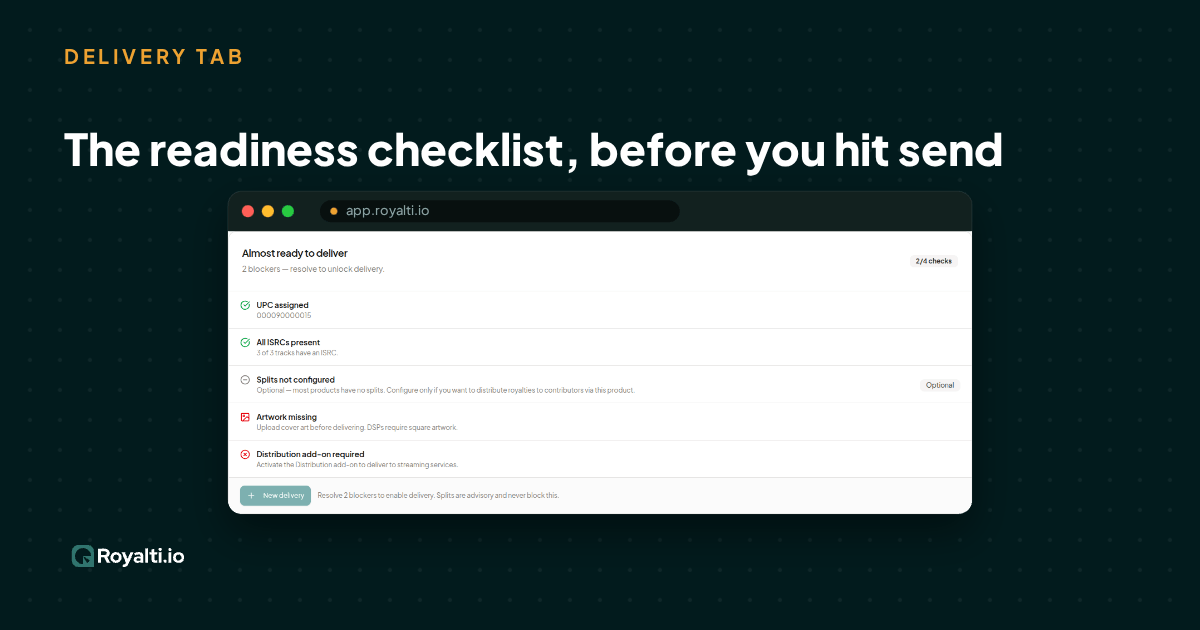
Royalti.io: How We Rebuilt DDEX Delivery
A release can fail on its way to stores without anyone noticing. Here is what broke in our DDEX delivery, how we fixed it, and what you can check first.
AI and Creator Consent 1: What Creator Groups Want From AI Music Deals
Learn why creator groups are demanding consent, fair compensation and transparency from AI music deals
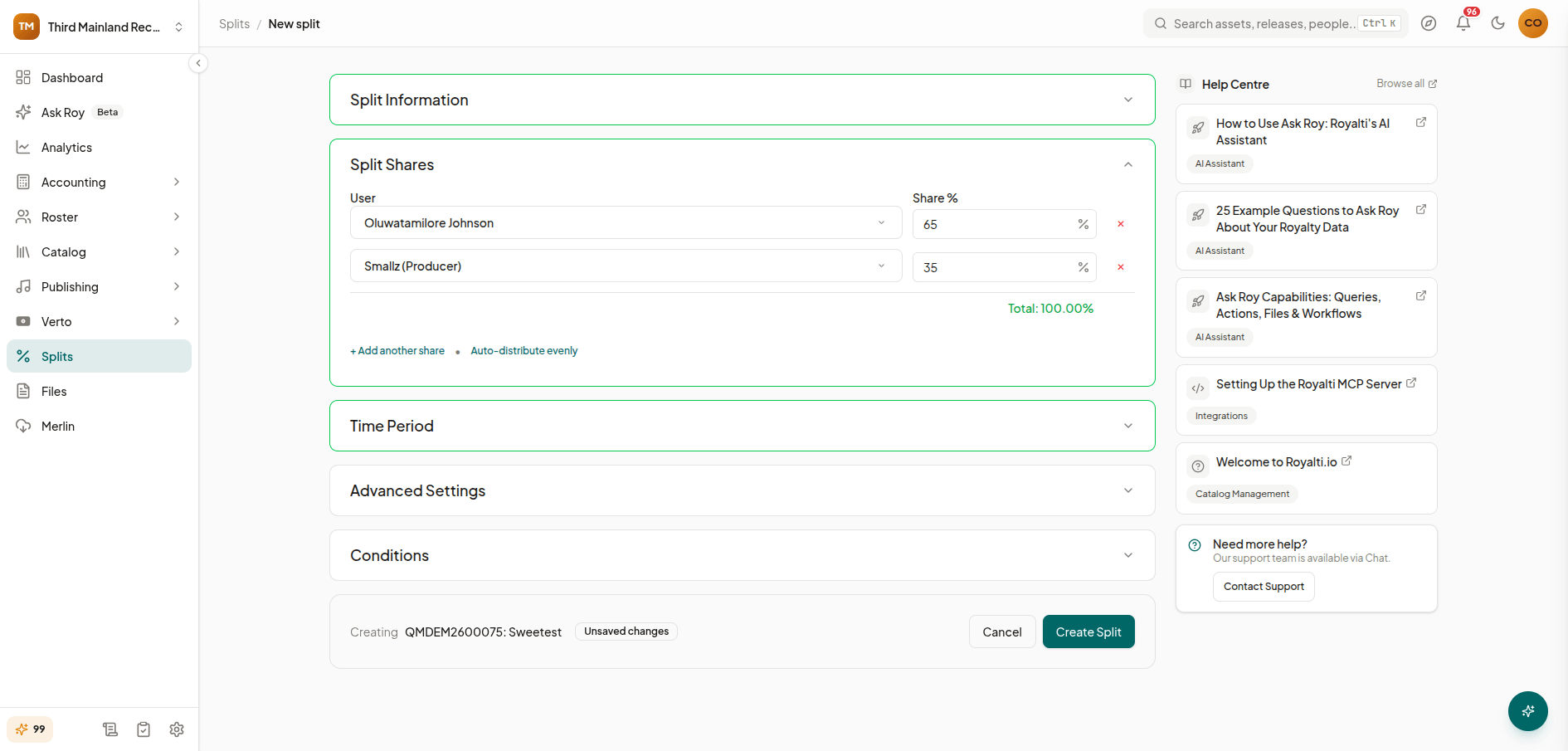
Time-Based Splits: How to Schedule Ownership Changes on Royalti.io
When a split change depends on someone remembering to make it, it gets missed. Royalti.io's time-based splits let contract terms live inside the system that pays out against them
Comments
No comments yet. Be the first to comment!