The Role Of Music Tech In Empowering Artists And Music Businesses
Learn how music tech is supporting artists and music businesses by streamlining creation, distribution, and royalty management
Indeed, technology has changed to no small extent how music is created, distributed, and consumed. From radio to cable and now streaming, music consumption has evolved at a pace and persistence that has not wavered in decades.
Today, "music tech" encompasses a broad and ever-expanding array of innovations. We will discuss its role in empowering artists and music businesses now and how it continues to shape future possibilities.
Music Creation And Production
It is impossible to discuss the impact of technology on music without first acknowledging the role it played in democratizing music creation. Today, professionals and aspiring artists alike walk around with what are essentially miniature recording studios in their pockets (an exaggeration, perhaps, but you get the point).
High-quality recordings no longer require expensive studio time or physical equipment. Synthesizers, samplers, and virtual instruments are now software-driven, offering near-limitless possibilities. Thanks to technology, experimentation has become more accessible and affordable, potentially leading to greater creative diversity while significantly lowering barriers to entry for new talent.
Music Distribution And Consumption
When we talk about music distribution today, digital platforms and streaming services immediately come to mind. However, this has not always been the case. Technology has played no small role in transforming how music reaches listeners. Spotify, Apple Music, and Amazon Music are platforms that provide audiences with instant access to vast music libraries.
As artists expand their reach beyond their immediate environment, even to global levels, revenue generation has diversified to include streaming and digital royalties. Independent distribution services and aggregators have also emerged, allowing artists to bypass traditional record labels and directly upload their music to platforms, retain more creative control, and secure a larger share of their earnings.
Social media platforms now serve as informal yet direct channels for connecting artists with audiences, with many playing a significant role in artist development and fan engagement. Beyond the exposure, technology alsocreated new monetization pathways. A good example is NFTs and other digital collectibles that offer alternative income streams while providing fans with valuable experiences.
Catalog Management
With digital distribution came the challenge of incomplete or inaccurate metadata. In many cases, metadata errors determine the difference between whether royalties are paid correctly or absorbed into black-box royalties. For royalties to be distributed, the data attached to a track, such as ISRC and ISWC codes, must be accurate.
In this context, the use of AI to resolve metadata discrepancies may be one of the most overlooked music tech advancements yet. These tools can scan catalogs, automatically tag tracks with accurate genre, mood, and instrument data, and make it easier to discover for Sync Licensing. Conversely, these technologies also make it easier to find unauthorized uses of music online, allowing owners of this music to recover royalties that would have remained uncollected.
Royalty Management And Automation
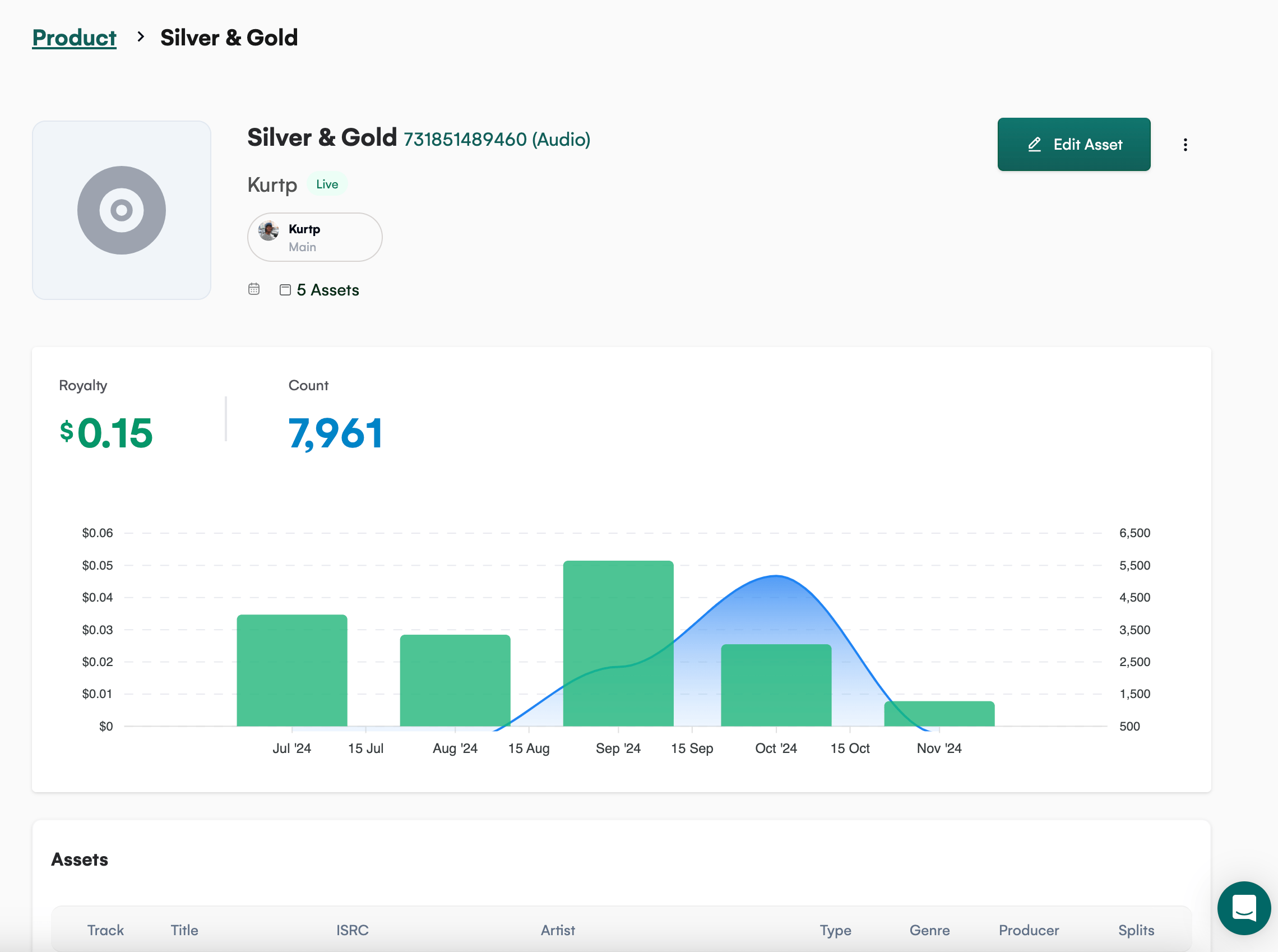
The music industry increasingly relies on technology not just for the creation and distribution of music but also for its business infrastructure. Modern royalty management and accounting platforms, such as Royalti.io, process data from Digital Service Providers (DSPs), providing real-time analysis of earnings across multiple revenue streams.
With centralized contract repositories and automated split calculations, the likelihood of human errors is significantly reduced. More broadly, rights management, royalty tracking, and licensing processes are being streamlined through digital platforms and blockchain-based solutions, bringing transparency and efficiency to an area of the industry long associated with confusion and mistrust.
Conclusion
Music technology represents a growing array of tools and solutions, refined over time through real-world application, often by those who have directly experienced the challenges these tools seek to address. One by one, these innovations are setting the industry on a new path, one that is more accessible to newcomers, more transparent in rights management, and more conducive to sustainable business relationships.
By granting artists unprecedented creative control and direct access to global audiences, while simultaneously offering music businesses new pathways for distribution, engagement, and operational efficiency, music technology continues to push the industry toward a new and hopefully balanced future.
About the author
Keep reading
All posts →
Royalti.io: How We Rebuilt DDEX Delivery
A release can fail on its way to stores without anyone noticing. Here is what broke in our DDEX delivery, how we fixed it, and what you can check first.
AI and Creator Consent 2: Before You Opt In to an AI Music Deal
Your distributor or publisher may already have the right to license your music for AI use. Here is what to ask and what to check for before you say yes.
AI and Creator Consent 1: What Creator Groups Want From AI Music Deals
Learn why creator groups are demanding consent, fair compensation and transparency from AI music deals
Comments
No comments yet. Be the first to comment!